
You expect your drains to do their job quietly out of sight. The shower empties, the dishwasher runs, the toilet flushes, and you never give it a second thought. So when a tub starts draining slowly, a toilet gurgles after the laundry, or a sewer smell drifts across the backyard, it's easy to shrug it off. Is it just a clog? Will a bottle of drain cleaner fix it? Or is something bigger going on underground?
The good news is that slow drains and odd noises are common in many Nashville homes, and they don't always mean disaster. The not-so-good news is that when the problem keeps coming back, the culprit is often the drain line itself. A cracked, collapsed, or root-invaded pipe can't be fixed with a plunger, and ignoring it usually leads to backups, water damage, and a much bigger bill. Knowing the warning signs is the first step toward protecting your home.
Warning Signs of a Failing Drain Line
Drain line trouble rarely appears out of nowhere. More often, it starts with small clues that are easy to explain away. The most telling sign is a backup that keeps returning. If wastewater repeatedly rises into your sinks, tubs, showers, or toilets, or if several fixtures drain slowly at the same time, the blockage is probably not in one fixture's pipe. It's somewhere in the main line they all share.
Other clues show up outside the house and in the sounds your plumbing makes. Sewer odors inside or outside your home can point to underground pipe damage, and soggy patches or unexplained puddles in the yard may mean a line is leaking. Gurgling from drains or toilets often means wastewater can't flow freely. And if you keep paying for drain cleaning only to have the clog come back, the pipe itself may be damaged rather than simply blocked. Left alone, escaping wastewater can even affect the soil around your foundation.
What Causes Drain Lines to Fail?
Drain lines are built to last, but nothing underground lasts forever. Tree roots are one of the most common offenders. They find tiny openings in a pipe, slip inside, and keep growing until they restrict flow or crack the line. Older metal drain lines can corrode and develop leaks, and aging materials of any kind may simply stop performing reliably.
The ground itself plays a part, too. Shifting soil can crack, separate, or even collapse buried pipes, while years of grease, debris, and sediment can add to the damage. In the worst cases, a section of pipe collapses entirely, and wastewater has nowhere to go.
Why Middle Tennessee Homes Face Drain Line Challenges
Homes in Nashville and the surrounding communities have a few things working against their underground plumbing. Many established neighborhoods are lined with mature trees, and their roots are always searching for moisture, which makes small cracks in older pipes an easy target. Add in older homes with aging drain materials, and it's no surprise that line problems turn up often across the region.
Weather matters, too. Heavy rain followed by dry spells can move the soil around buried pipes over time, which stresses joints and can lead to cracks or separation. If your home is older, sits near large trees, or has a history of recurring clogs, it's worth keeping a closer eye on your drain line.
Repair or Replace? How a Camera Inspection Settles It
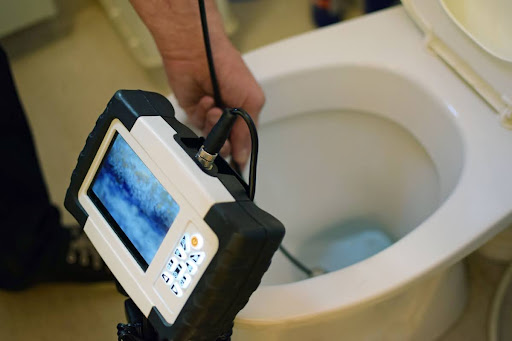
Not every damaged drain line needs a complete replacement. A single isolated problem may be solved with a repair, a thorough drain and sewer cleaning, or hydro jetting. The only way to know for sure is to see inside the pipe, which is why a video pipe inspection is the best first step. A camera shows cracks, blockages, root intrusion, and collapsed sections without any guesswork.
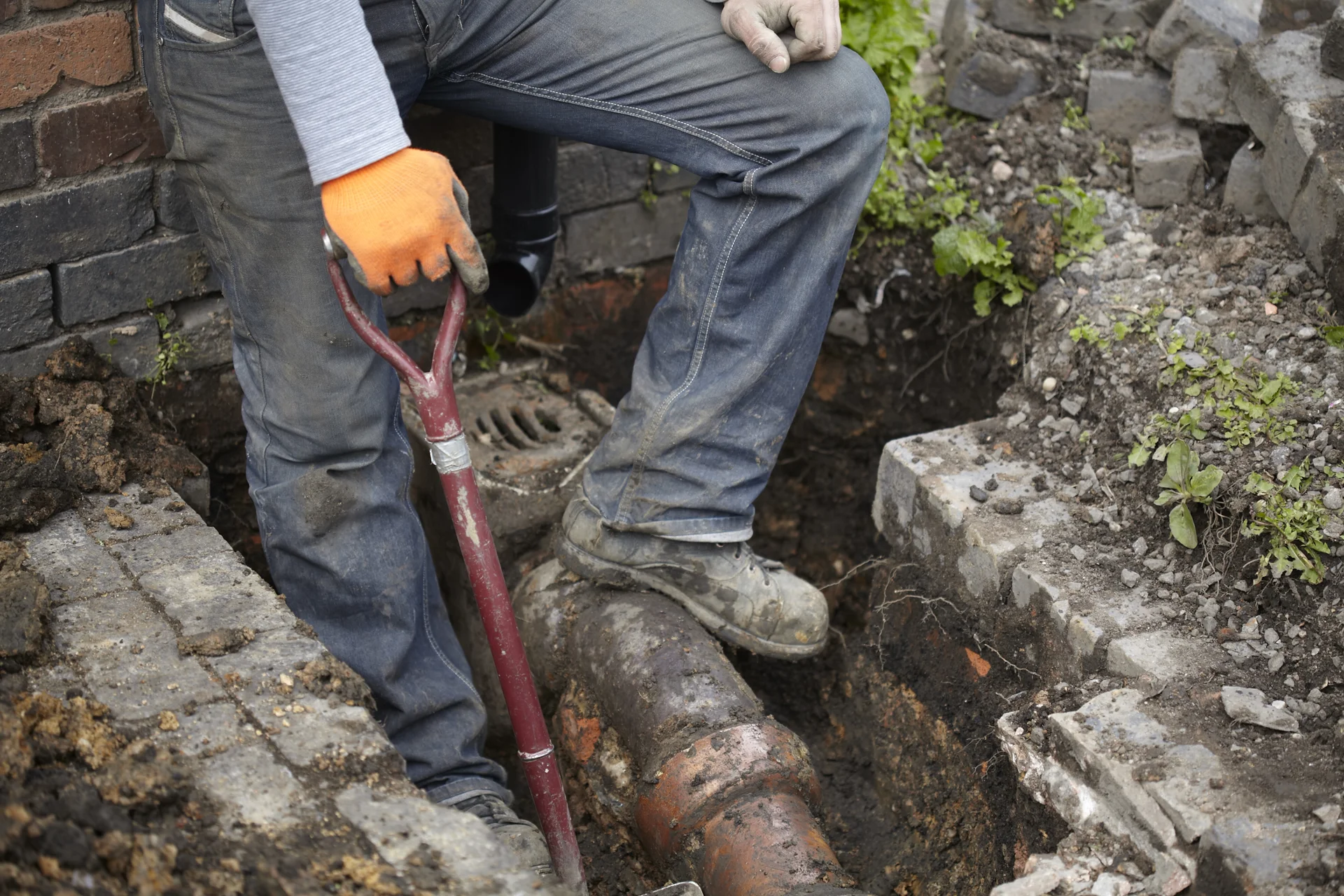
Replacement usually makes sense when the damage is extensive, the pipe has collapsed, or the problems keep returning despite earlier service. It's also worth considering when the line is aging and increasingly unreliable, or when repair costs are starting to add up. At that point, a new line often costs less over time than a cycle of repeated service calls, and it gives you dependable drainage for years to come.
Is a Failing Drain Line Dangerous?
A slow drain on its own is more of a nuisance than an emergency, but a failing drain line shouldn't be ignored for long. Wastewater that escapes underground can saturate the soil near your foundation, and backups inside the house can damage floors, walls, and belongings. Persistent sewer odors are also a sign that something isn't sealed the way it should be.
If you're dealing with a serious backup or an overflow, don't wait. Stop using the water in your home and call a professional right away. Our emergency plumbing team is ready to respond, and catching the problem early almost always keeps the repair smaller and the cleanup easier.
What Happens During Drain Line Replacement
Replacing an underground pipe sounds like a big, disruptive project, but a good plumbing team makes it far more manageable than you might expect. The process starts with an evaluation of your existing line and a camera inspection to pinpoint the damage. From there, your technician explains your options, answers your questions, and gives you clear recommendations before any work begins. Once you approve the plan, durable new piping is installed, and the system is tested to confirm that wastewater flows away from your home properly.
Working with experienced professionals matters because the work happens where you can't see it. Since 2012, we at Busy Bee Plumbing, Heating & Air Conditioning have provided Nashville and Middle Tennessee homeowners with honest recommendations, careful workmanship, and budget-friendly options. You'll know what to expect before the work starts, with no hidden fees, and we offer financing to help larger projects fit your budget.
Keep Your Plumbing Flowing
If your home keeps backing up, draining slowly, or smelling like sewage, don't wait for a small problem to turn into a major one. A professional inspection can tell you whether you need a simple fix or a full drain line replacement, and the sooner you know, the more options you have.
Contact us now today to schedule your estimate. Let us get to the bottom of the problem and keep your home running smoothly year-round.
The post How Do I Know If I Need Drain Line Replacement? appeared first on Busy Bee.